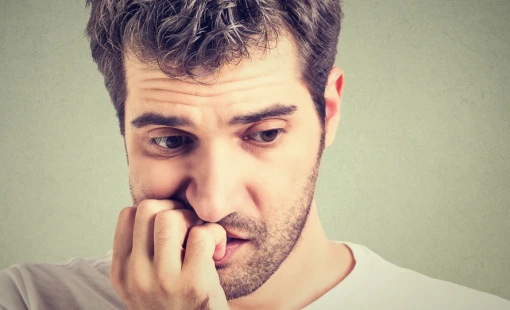
Burnout is an increasingly common problem in today's world of pressure, deadlines and high expectations. If you feel that work no longer brings you satisfaction, and you experience chronic fatigue and a lack of motivation, you may be experiencing burnout. Can it be treated effectively? How do you recognise the first symptoms, and what can you do to regain your energy and enjoyment of work? You will find the answers in this article.
Symptoms of burnout – how to recognise them?
Burnout develops gradually and often begins with small signs of tiredness. Over time it can lead to serious psychological and physical problems. The most common symptoms are:
- Chronic fatigue – a lack of energy even after rest,
- A sense of overload and frustration – work becomes a source of stress and tension,
- Reduced motivation – tasks that used to be interesting seem tedious,
- Problems with concentration and efficiency – difficulty focusing and carrying out your duties,
- A negative attitude to work – a lack of engagement, a sense that the tasks you perform are pointless,
- Physical complaints – headaches, sleep problems, weakened immunity,
- Avoiding contact with people – isolation from colleagues, irritability.
If you have noticed these symptoms in yourself for a longer time, it is worth thinking about making changes that will help you regain your balance.
How to treat burnout?
1. Understand the source of the problem
Burnout does not appear overnight – it is the result of long-term stress and being overloaded with responsibilities. It is worth asking yourself:
- What exactly makes you feel burnt out?
- Is it too much work, conflicts in the team, a lack of satisfaction, or perhaps a lack of opportunities to develop?
- Which situations at work weigh on you the most?
Awareness of the causes is the first step towards finding a solution.
2. Set healthy boundaries
- Learn to say "no" – you do not have to take everything on yourself.
- Separate your professional and private life – avoid working outside working hours.
- Plan breaks during the day – even a few minutes of rest improves efficiency and reduces stress.
3. Take care of your needs
- Get enough sleep – recovery is crucial for mental health.
- Remember to be physically active – even a short walk helps to reduce tension.
- Eat healthily – a diet rich in vitamins and minerals supports the nervous system.
4. Look for new perspectives
- Think about what gives you satisfaction and fulfilment at work.
- Perhaps it is worth looking for new professional challenges?
- If your job does not bring you joy, consider changing your career path.
5. Seek professional help
You do not have to cope on your own. ACT (Acceptance and Commitment Therapy) helps you deal with difficult emotions and regain control over your life. SFBT (Solution-Focused Brief Therapy) allows you to find concrete strategies for getting out of a professional crisis.
Can burnout be prevented?
Yes! Burnout can be effectively reduced by introducing the right habits:
- Take care of the balance between work and personal life.
- Learn to manage stress – breathing techniques, meditation and sport help you stay balanced.
- Build good relationships with colleagues – social support is hugely important.
- Find time for your passions – doing something that brings you joy works as a natural remedy against burnout.
Burnout is a serious problem, but it can be dealt with effectively. The key is to recognise the symptoms and take action that will help restore balance. If you feel that work has stopped bringing you joy, you are exhausted and losing motivation, do not ignore these signals. Your mental health matters, and the right support and a change of approach can help you regain satisfaction in your working life.
You do not have to cope on your own. Seeking help is the first step towards change – and every change begins with the decision that you deserve more.
This content is for information purposes only and does not replace an individual medical or psychological consultation.

Author of psychoeducational articles that promote knowledge about mental health.