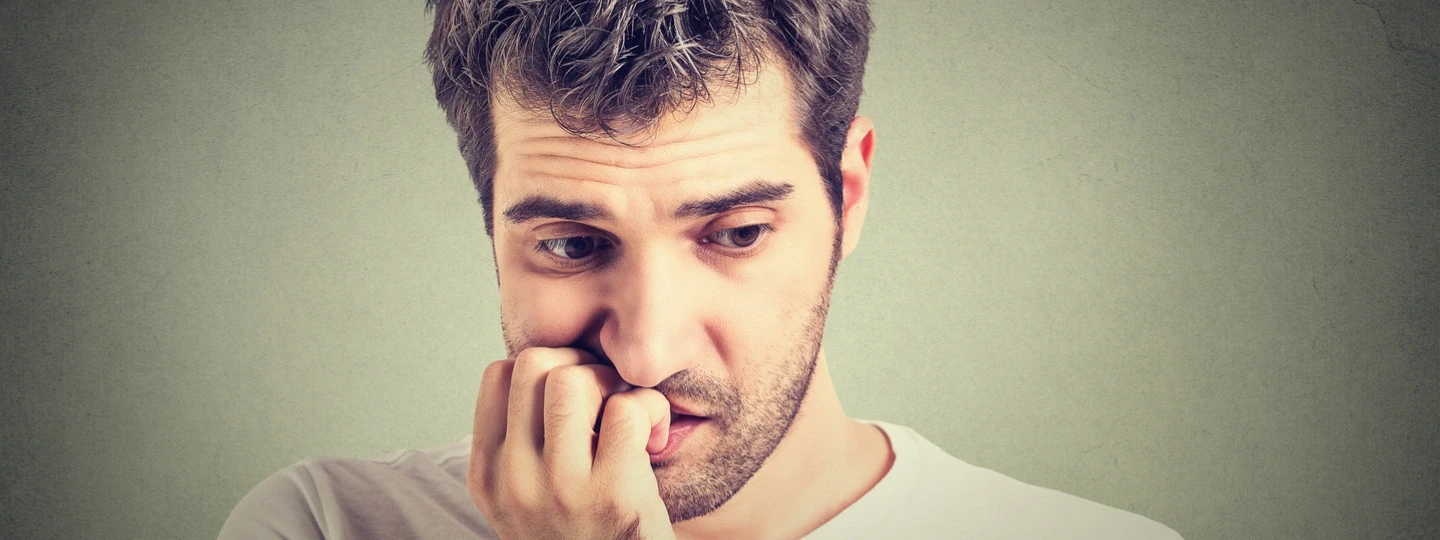
Every one of us experiences stress, but when it becomes a constant companion, it can start to affect our mental and physical health. If you feel that everyday stress is beginning to overwhelm you, remember – you are not alone. Many people struggle with similar difficulties. In this article you will find out whether long-term stress can lead to neurosis, how to recognise its symptoms and what steps to take to de-stress effectively and regain your inner calm.
Stress and neurosis - is there a link?
Stress in itself is not a bad thing - it helps us respond to challenges and mobilise our strength. However, chronic stress can exhaust the body and lead to the development of neurosis. People who live in a state of tension for a long time may notice anxiety symptoms, problems with sleep or difficulty concentrating. It is important to listen to your body and mind – they are often the first to signal that something is wrong.
Symptoms of stress-related neurosis
Stress-related neurosis can show itself in different ways, but the most common symptoms are:
- Physical symptoms: headaches, muscle tension, a racing heart, dizziness, a feeling of breathlessness.
- Emotional symptoms: excessive worrying, restlessness, feeling overwhelmed, mood swings.
- Behavioural symptoms: avoiding social situations, difficulty making decisions, a sense of exhaustion.
If these symptoms persist for a long time and begin to affect your daily life, it is worth thinking about ways that can help you regain balance.
How to get rid of stress and reduce the risk of neurosis?
1. Find a moment for yourself
Sometimes the hardest thing is allowing yourself to rest. Bringing moments of relaxation into your everyday life – even a few minutes of mindful breathing or a warm cup of tea in silence – can help reduce tension.
2. Movement as a way to deal with stress
You do not have to start running marathons – even a short walk in the fresh air can help lower your stress level. Movement improves your mood and lets your body release tension.
3. Mindfulness and relaxation techniques
- Meditation and mindfulness – Practising mindfulness helps you gain better control over your thoughts and emotions.
- Breathing exercises – Simple techniques, such as deep diaphragmatic breathing, can quickly calm the body.
- Muscle relaxation – Consciously relaxing the body can significantly reduce tension.
4. Healthy habits for mind and body
- Take care of your sleep – A lack of rest intensifies stress, so it is important to ensure regular, restorative sleep.
- Nutrition – A suitable diet can help you cope better with stress. Avoid too much caffeine and sugar, which can heighten the feeling of tension.
- Support from loved ones – Talking to someone who understands you can be a huge support. Do not be afraid to reach out for help.
5. Therapy and professional support
If you feel that stress is taking control of your life, it is worth considering talking to a specialist. ACT (Acceptance and Commitment Therapy) or cognitive behavioural therapy (CBT) can help change your approach to stress and anxiety. A psychologist can help you find ways of dealing with tension and understand your own emotions better.
Summary
Stress can be a difficult companion, but it does not have to rule your life. Finding ways to reduce it and taking care of your mental health is the best gift you can give yourself. Remember that small changes in your daily habits can bring great relief.
You are not alone in this struggle. Seeking help and looking after yourself is a sign of strength – not weakness. Every step towards greater calm is a step in the right direction.
This content is for information purposes only and does not replace an individual medical or psychological consultation.

Author of psychoeducational articles that promote knowledge about mental health.