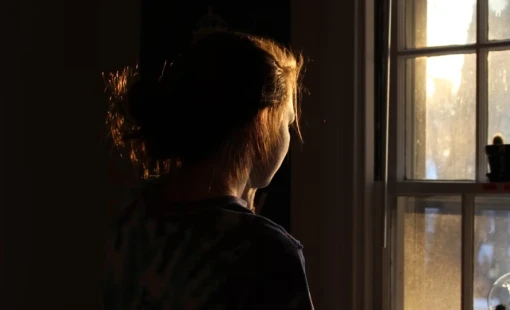
It is worth taking your teenager to a psychologist when difficult emotions, stress, withdrawal or conflicts start to genuinely disrupt everyday life – at home, at school or in relationships.
A teenager can have a rough patch. That is normal. The difficulty arises when the “rough patch” drags on for weeks, and tension, withdrawal or anger take over.
A psychological consultation is not a “punishment” or a label. For many young people it is the first time someone calmly helps them name what is going on – without judgement and without moralising.
Signs that it is worth considering a consultation
- a clear change of mood lasting several weeks,
- withdrawal from relationships, isolating themselves,
- sudden drops in motivation, problems at school,
- strong tension, irritability, frequent conflicts,
- trouble sleeping, “constant stress”,
- a sense of pointlessness, loss of interests.
If the subject is stress, you may also want to see: Stress and anxiety.
What the first meeting with a teenager looks like
Most often we begin by calmly getting to know the situation: what is difficult, since when, what a day looks like and what has already been tried as a solution.
Depending on age and topic, part of the meeting may include a parent/carer (e.g. at the beginning or at the end) in order to agree goals and ground rules for working together.
What parents ask most often
- “Will my child want to talk?” – often they need time. That is normal.
- “What can I do at home?” – we usually agree on 1–2 specific changes in communication or routine.
- “Do I have to be at the sessions too?” – it depends on the topic. Sometimes a short summary is enough.
How to book a consultation
You will find the details in: Services. Available dates and contact: Contact.
FAQ – a psychologist for young people
This content is for information purposes only and does not replace an individual medical or psychological consultation.

Author of psychoeducational articles that promote knowledge about mental health.