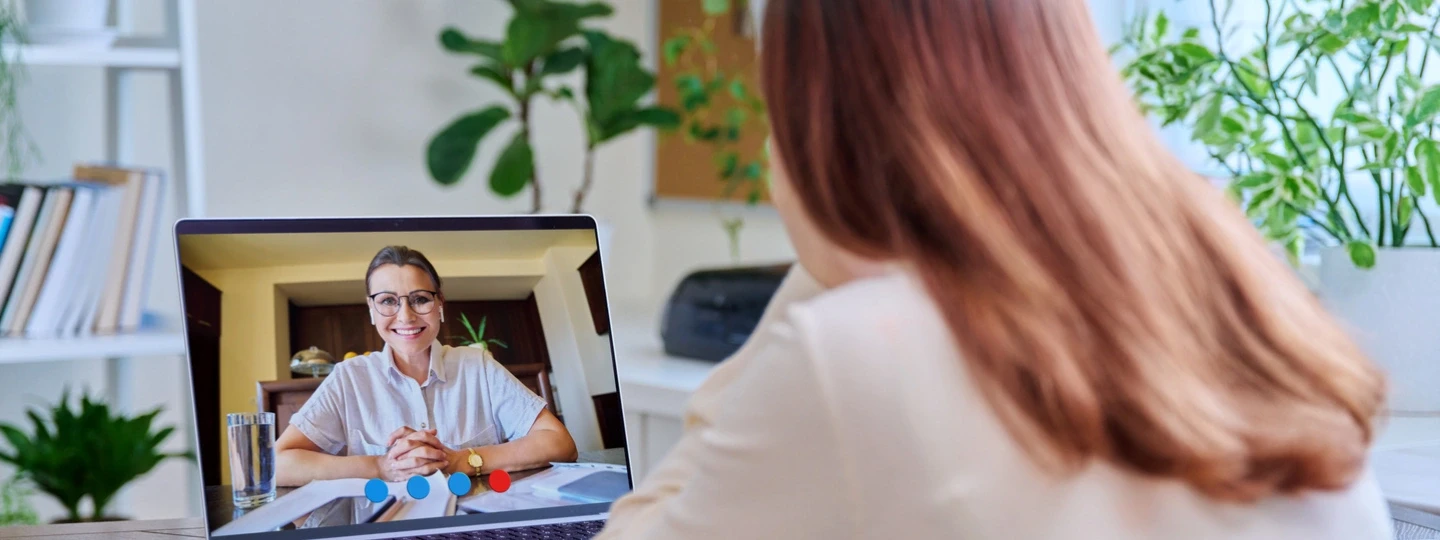
Online psychotherapy has become more accessible than ever. Many people wonder whether this form of psychological support can be as effective as traditional meetings in an office. Does talking through a screen allow you to open up fully and work effectively on yourself? Which therapeutic approaches work well in online therapy, and what are its limitations? Let's look at the facts.
Online psychotherapy – how does it work and when is it effective?
Online psychotherapy does not differ significantly from in-person therapy in terms of working methods – only the form of contact changes. Sessions take place by video call, phone or chat, which makes it easier to reach a specialist. A key element of effective therapy is choosing the right method and the client's commitment.
Therapies used in online psychotherapy
1. ACT (Acceptance and Commitment Therapy)
ACT helps people struggling with anxiety, depression or stress learn to accept their thoughts and emotions without having to control them. This therapy encourages engaging in actions that are in line with the client's values, which supports long-term change.
2. SFBT (Solution-Focused Brief Therapy)
SFBT is an approach focused on quickly finding effective solutions to the client's problems. It helps you focus on resources, possibilities and the future, instead of analysing past difficulties.
3. Psychological assessment in online therapy
Many clients wonder whether an online psychologist is able to make a diagnosis effectively. Research shows that diagnostic interviews conducted over the internet can be just as precise as those in an office, particularly in the case of anxiety disorders, depression or stress-related problems.
Advantages of online psychotherapy
1. Easy access to a specialist
People living in smaller towns or abroad may find it hard to find a suitable therapist. Online psychotherapy allows you to get help from a specialist regardless of location.
2. Comfort and safety
Therapy in a familiar, home environment can make it easier to open up about difficult topics, especially for people with social anxiety.
3. Saving time
No need to travel makes online therapy more convenient and more accessible for busy people.
4. Greater flexibility
Online therapy often makes it possible to schedule sessions at convenient times, including evenings and weekends.
Does online therapy have limitations?
Although online therapy is effective in many cases, it will not work in every situation.
- No physical presence of the therapist – for some people face-to-face contact is crucial for building a therapeutic relationship.
- Technical problems – an unstable internet connection can disrupt a session.
- Unsuitable in crisis situations – in the case of suicidal thoughts or sudden psychotic episodes, in-person support may be necessary.
How to make online therapy more effective?
- Choose the right therapist – it is crucial to feel comfortable and to trust the specialist.
- Find a quiet place for the session – a quiet space without distractions will help you focus better on the conversation.
- Regular meetings – consistency in therapy brings the best results.
Online psychotherapy is an effective tool that can help you cope with anxiety, depression or stress. Research confirms that a well-chosen therapy method, such as ACT or SFBT, brings real results in an online format too. If you are thinking about starting therapy, it is worth giving it a try – you may find that this solution is perfectly suited to your needs.
Your mental health matters. If you feel that you need support, online therapy can be a first step towards feeling better and living a better life.
This content is for information purposes only and does not replace an individual medical or psychological consultation.

Author of psychoeducational articles that promote knowledge about mental health.